Congenital malformations in swine
DOI:
https://doi.org/10.82580/revateh.v3i3.51Abstract
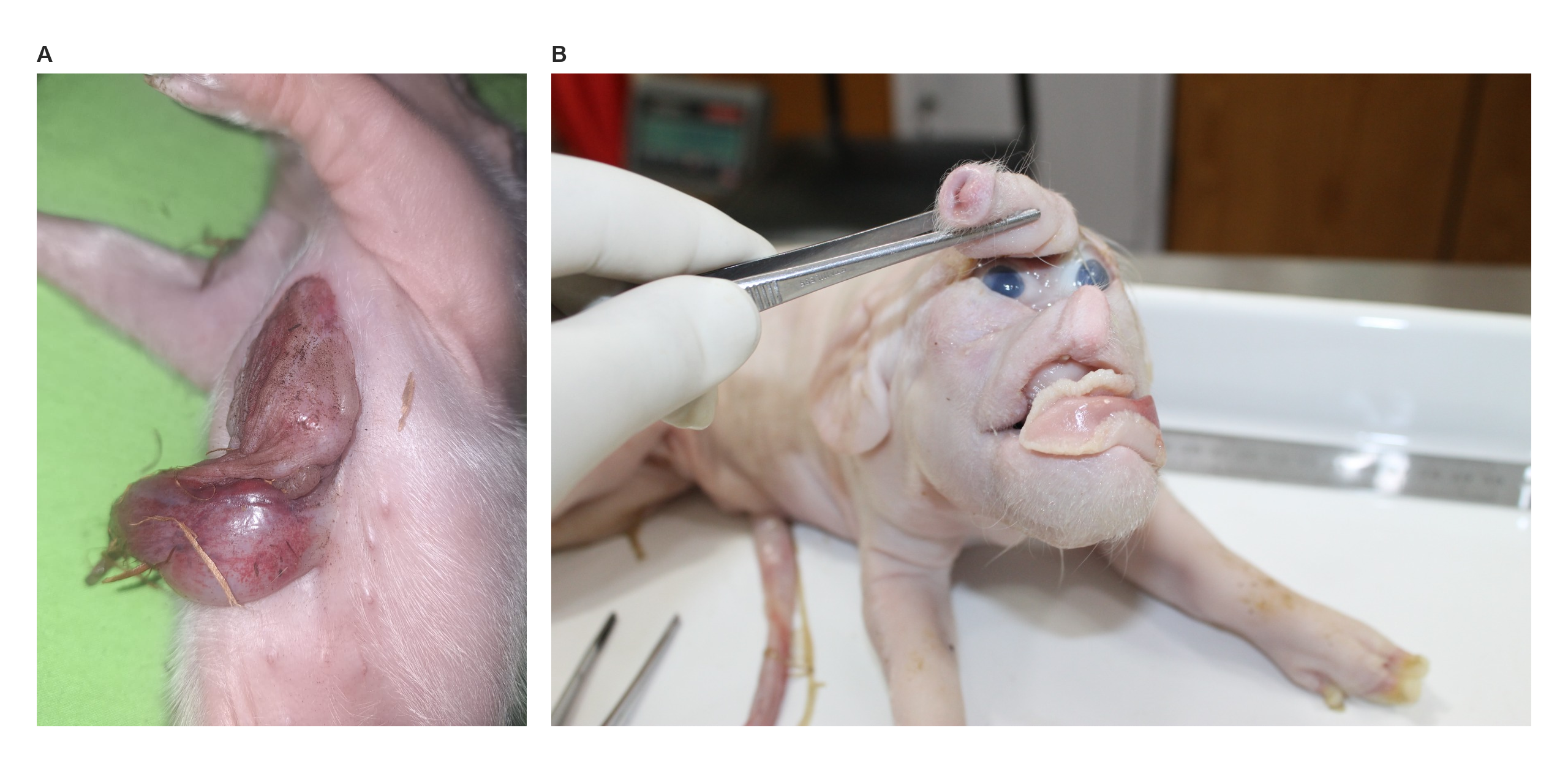
Congenital malformations in swine represent a critical challenge for the industry, as this species has the highest incidence of birth defects among domestic animals, seriously compromising profitability and animal welfare. The purpose of this study was to analyze the prevalence, classification, and etiology of these anomalies through a comprehensive systematic investigation based on a review of the available scientific literature. The methodology was developed using a documentary approach that allowed for the integration of genetic, nutritional, infectious, and toxic factors into the analysis of embryonic development. The results revealed that the incidence of these defects typically ranges between 2% and 3%, with only 25% of cases having a defined genetic origin, while 65% are attributed to unknown multifactorial factors. Among the most frequently identified conditions are anal atresia, splay leg syndrome, hernias, and various reproductive anomalies such as cryptorchidism and uterine aplasia. It has been concluded that, given the limited updated information available, it is essential to establish a multidisciplinary approach that combines continuous monitoring on farms with preventive strategies, such as appropriate genetic selection and optimization of maternal nutrition, to mitigate the impact of these pathologies and improve the productive efficiency of pig farms.